Lädt…
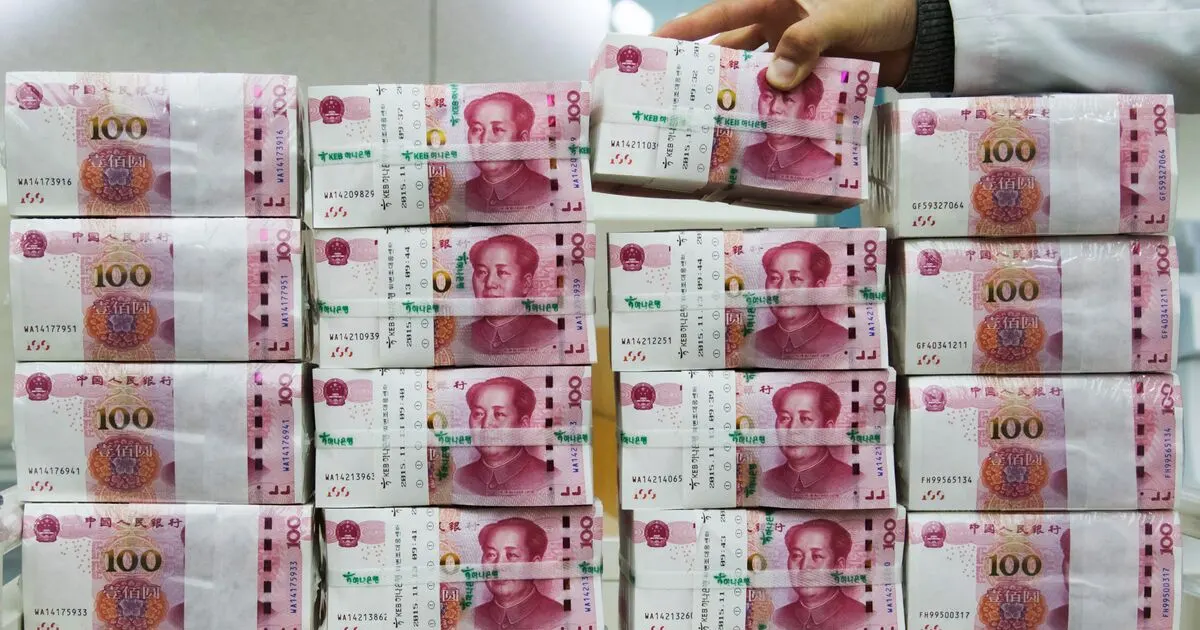
The yuan fell as much as 1.2 percent in Shanghai to 6.3550 per dollar, its biggest drop since the 2015 devaluation. The decline followed data showing China's trade surplus more than halved last month and speculation that outflow controls would be eased.
A weaker yuan and smaller trade surplus shift import demand and currency sentiment, which can modestly pressure dollar-priced soybean and feed imports.
 bloomberg.comBloomberg News08.02.2018
Nach 398 vergangenen Ereignisse (bullisch, Makro) bewegte sich Chinesischer Yuan (CNY pro USD) im Median über 5 Handelstage um +0,0 % (56% höher; mittlere Hälfte -0,3 % bis +0,5 %) und über 20 Handelstage um +0,0 %.
Nach 50 vergangenen Ereignisse (neutral, Makro) bewegte sich Sojabohnen im Median über 5 Handelstage um -0,3 % (48% höher; mittlere Hälfte -2,2 % bis +1,3 %) und über 20 Handelstage um -0,8 %.
Veränderungen des Benchmarks jedes Rohstoffs seit dem letzten Schluss vor dem Ereignis. Historische Werte bündeln frühere Ereignisse derselben Art; sie beschreiben, was passiert ist, nicht was passieren wird. Keine Anlageberatung.
The yuan dropped as much as 1.2% intraday, its biggest fall since the 2015 devaluation, after trade surplus data and speculation of eased outflow controls, which matches the 0.91% CNY/USD move in size and timing.
