Lädt…
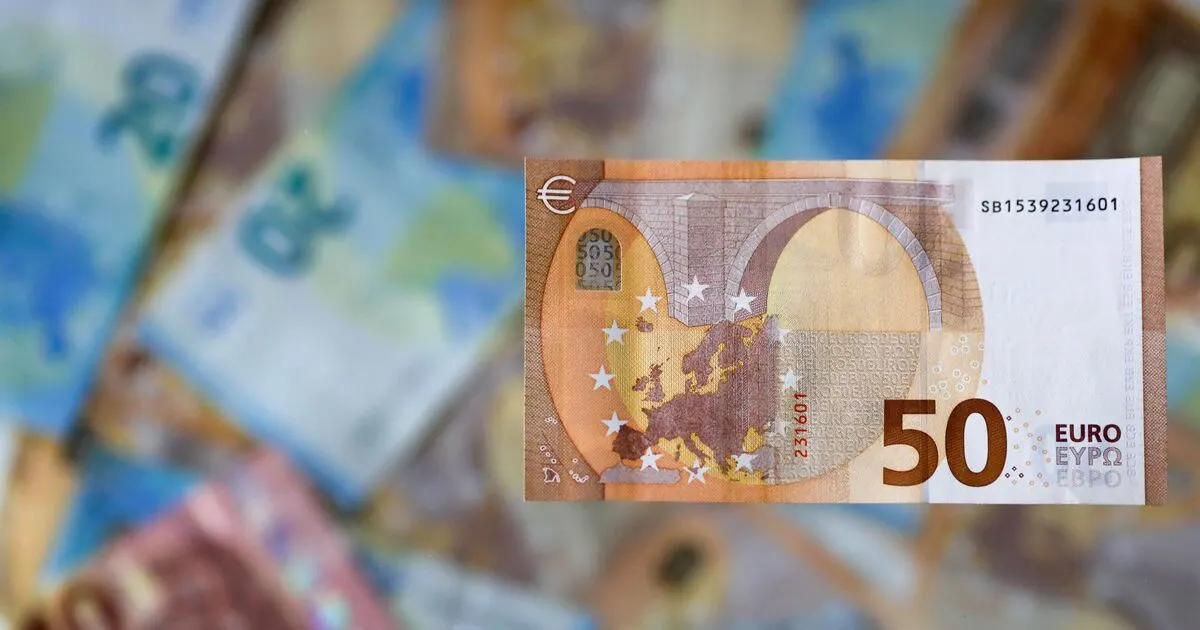
The euro fell as much as 1.8% to $1.1106, its lowest against the dollar since June 2020, as haven demand surged amid the Russia-Ukraine security crisis. The Bloomberg Dollar Index climbed as much as 1.4%.
A weaker euro and stronger dollar lower the dollar cost of European-sourced feed inputs for importers and reduce US export competitiveness. The move reflects haven flows rather than a change in feed supply.
 bloomberg.com24.02.2022
Nach 36 vergangenen Ereignisse (bearisch, Geopolitik) bewegte sich Euro (USD pro EUR) im Median über 5 Handelstage um -1,0 % (22% höher; mittlere Hälfte -1,8 % bis -0,3 %) und über 20 Handelstage um -0,7 %.
Nach 89 vergangenen Ereignisse (bullisch, Geopolitik) bewegte sich US-Dollar (breit) im Median über 5 Handelstage um +0,5 % (74% höher; mittlere Hälfte -0,0 % bis +1,0 %) und über 20 Handelstage um +0,3 %.
Veränderungen des Benchmarks jedes Rohstoffs seit dem letzten Schluss vor dem Ereignis. Historische Werte bündeln frühere Ereignisse derselben Art; sie beschreiben, was passiert ist, nicht was passieren wird. Keine Anlageberatung.
Same-day report of the euro falling as much as 1.8% to $1.1106 on haven demand for the dollar after Russia's invasion directly explains the move.
Euro fell as much as 1.8% and the Bloomberg Dollar Index rose up to 1.4% on haven demand; the euro is the largest component of the broad dollar basket.
Haven demand for the dollar during the Russia-Ukraine crisis pushed EUR/USD down as much as 1.8% to its lowest since June 2020 on 2022-02-24, accounting for most of the 5-day decline.
