Lädt…
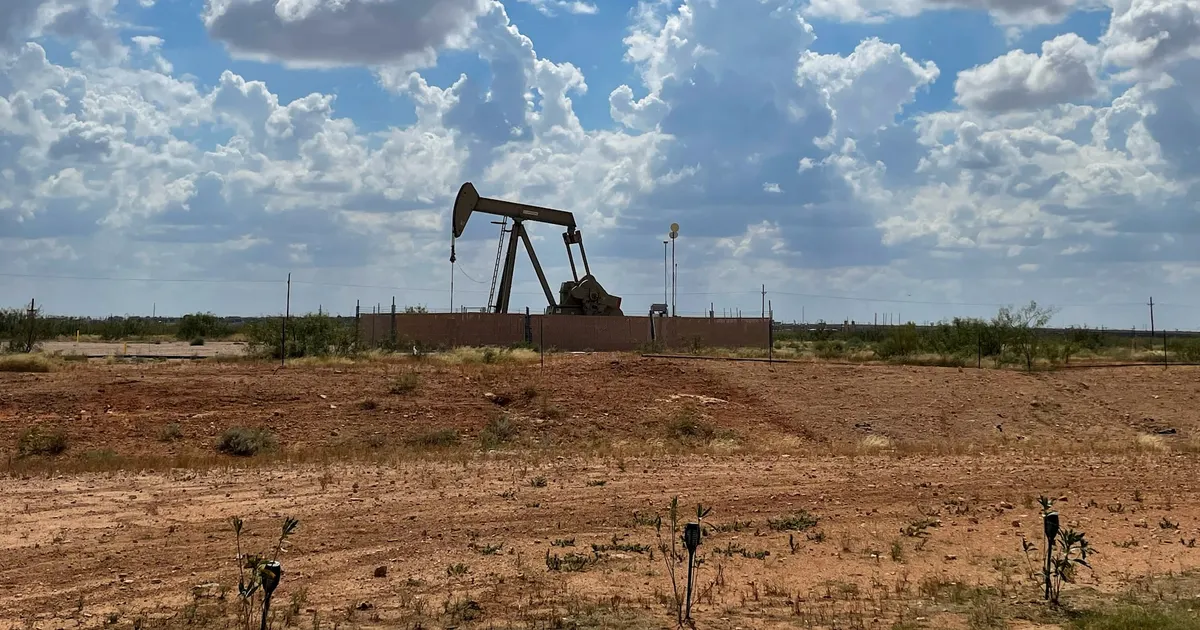
WTI crude futures have surged more than 40% so far this month to their highest levels since 2022. The rally followed U.S.-Israeli attacks on Iran, which prompted Tehran to halt shipping through the Strait of Hormuz, a chokepoint for about a fifth of world oil.
Analysts expect further gains as the conflict threatens export facilities.
Halted Hormuz shipping removes a major share of global crude flows, sustaining higher crude prices and raising fuel and freight costs for feed supply chains.
 reuters.comFlorence Tan, Shariq Khan15.03.2026
Nach 626 vergangenen Ereignisse (bullisch, Geopolitik) bewegte sich Rohöl (WTI) im Median über 5 Handelstage um +2,1 % (62% höher; mittlere Hälfte -2,3 % bis +8,5 %) und über 20 Handelstage um +1,6 %.
Nach 656 vergangenen Ereignisse (bullisch, Geopolitik) bewegte sich Rohöl (Brent) im Median über 5 Handelstage um +1,9 % (63% höher; mittlere Hälfte -2,7 % bis +6,6 %) und über 20 Handelstage um +0,7 %.
Nach 250 vergangenen Ereignisse (bullisch, Geopolitik) bewegte sich ULSD / Diesel im Median über 5 Handelstage um +1,7 % (58% höher; mittlere Hälfte -3,6 % bis +8,7 %) und über 20 Handelstage um +0,9 %.
Veränderungen des Benchmarks jedes Rohstoffs seit dem letzten Schluss vor dem Ereignis. Historische Werte bündeln frühere Ereignisse derselben Art; sie beschreiben, was passiert ist, nicht was passieren wird. Keine Anlageberatung.
WTI up over 40% month-to-date with analysts expecting further gains as export facilities are threatened, which lifted the crude feedstock and diesel complex into Mar 15-17.
Reuters on March 15 said oil was poised for further gains as the conflict threatened export facilities, reflecting the supply-risk sentiment that kept the rally going.
WTI was up more than 40% month to date and analysts expected further gains as export facilities were threatened, supporting upward momentum in diesel into March 15.
