Lädt…
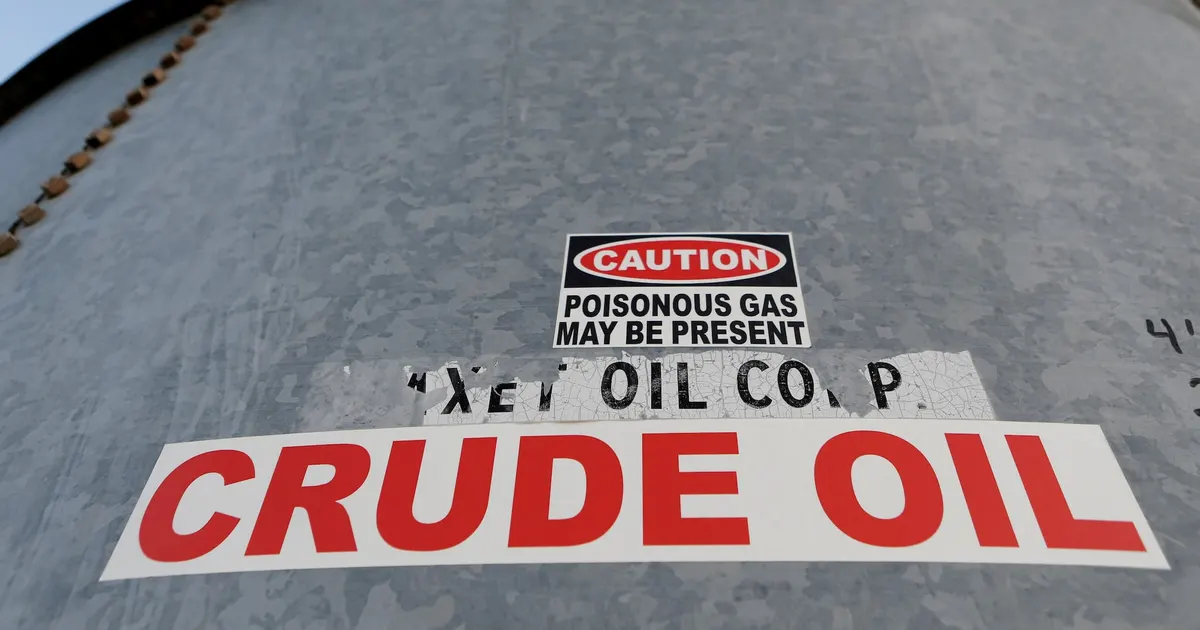
Oil fell about $5 a barrel on Monday, its worst day since March, after OPEC+ agreed to boost output. Rising COVID-19 infections driven by the Delta variant raised concerns about demand.
Expected supply increases combined with demand fears push crude lower, and the energy selloff weighs on feed-linked costs such as biofuel-related soybean oil and diesel.
 reuters.comLaila Kearney19.07.2021
Nach 215 vergangenen Ereignisse (bearisch, Politik) bewegte sich Rohöl (WTI) im Median über 5 Handelstage um +0,1 % (51% höher; mittlere Hälfte -4,4 % bis +3,3 %) und über 20 Handelstage um +0,2 %.
Nach 210 vergangenen Ereignisse (bearisch, Politik) bewegte sich Rohöl (Brent) im Median über 5 Handelstage um -0,9 % (48% höher; mittlere Hälfte -3,8 % bis +3,2 %) und über 20 Handelstage um +0,2 %.
Veränderungen des Benchmarks jedes Rohstoffs seit dem letzten Schluss vor dem Ereignis. Historische Werte bündeln frühere Ereignisse derselben Art; sie beschreiben, was passiert ist, nicht was passieren wird. Keine Anlageberatung.
Reports Brent/oil fell about $5 on July 19, its worst day since March, as the OPEC+ deal to boost output (supply) combined with Delta-driven demand fears.
Oil fell about $5 on its worst day since March as the OPEC+ output increase combined with Delta demand worries.
Brent fell about $5 on Monday July 19, its worst day since March, after the OPEC+ output increase deal and Delta demand fears, which matches the measured drop.
