Lädt…
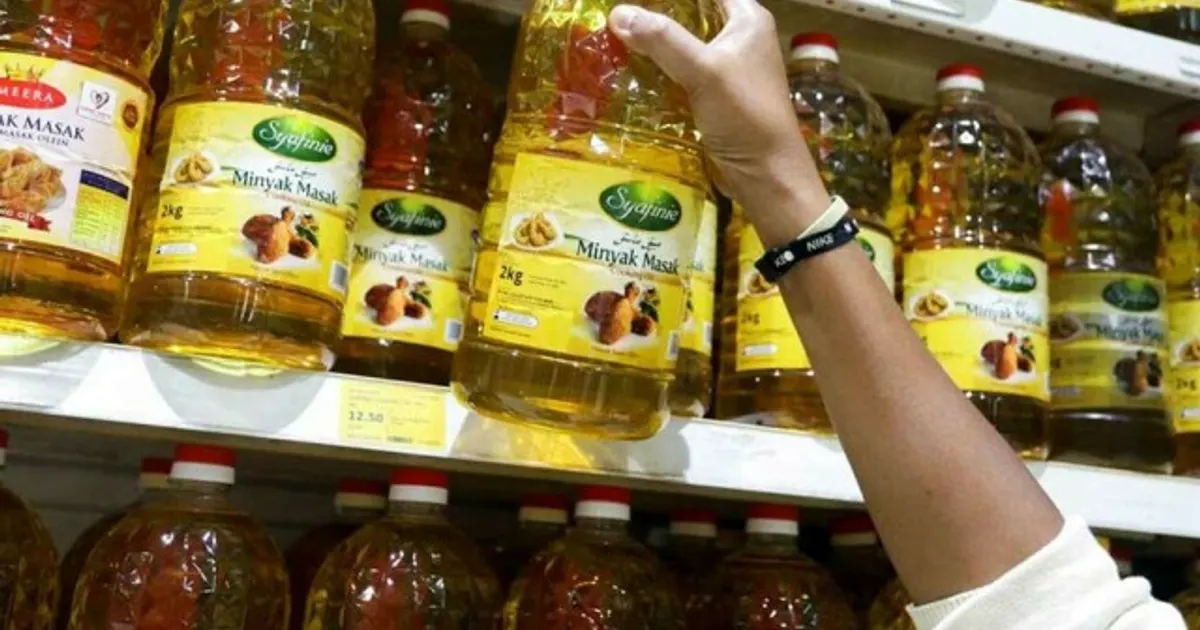
Malaysian palm oil futures fell 4.2% to 4,703 ringgit a tonne on recession fears that hit edible oils, after an intraday drop of about 7%. Malaysia's June exports fell between 7.4% and 13.4% from May as shipments to India and the EU slowed.
Palm later recovered some losses when crude oil rose on supply outages in Libya and Norway.
Recession fears reduce demand for edible oils and biodiesel, while weaker Malaysian exports add to the supply overhang. Stronger crude oil could support palm by making it more competitive as biodiesel feedstock.
 brecorder.comReuters01.07.2022
Nach 51 vergangenen Ereignisse (bearisch, Makro) bewegte sich Palmöl im Median über 5 Handelstage um -1,3 % (35% höher; mittlere Hälfte -4,1 % bis +1,1 %) und über 20 Handelstage um -1,8 %.
Nach 40 vergangenen Ereignisse (bearisch, Makro) bewegte sich Sojaöl im Median über 5 Handelstage um -0,8 % (45% höher; mittlere Hälfte -4,5 % bis +1,7 %) und über 20 Handelstage um -1,5 %.
Nach 487 vergangenen Ereignisse (bullisch, Makro) bewegte sich Rohöl (WTI) im Median über 5 Handelstage um +1,0 % (60% höher; mittlere Hälfte -2,0 % bis +4,0 %) und über 20 Handelstage um +1,5 %.
Veränderungen des Benchmarks jedes Rohstoffs seit dem letzten Schluss vor dem Ereignis. Historische Werte bündeln frühere Ereignisse derselben Art; sie beschreiben, was passiert ist, nicht was passieren wird. Keine Anlageberatung.
4% drop on July 1 on recession fears and a higher supply outlook, with weaker June exports to India and the EU.
Recession fears hit edible oils with an intraday drop of ~7%, alongside weaker June Malaysian exports and a higher supply outlook, matching the window's sharp selloff.
July 1 recession fears and a higher supply outlook hit edible oils, setting up the weak sentiment that carried into the July 4 soyoil drop.
Recession fears and weaker June Malaysian exports hit edible oils just before the move, adding demand-side and sentiment pressure.
