Lädt…
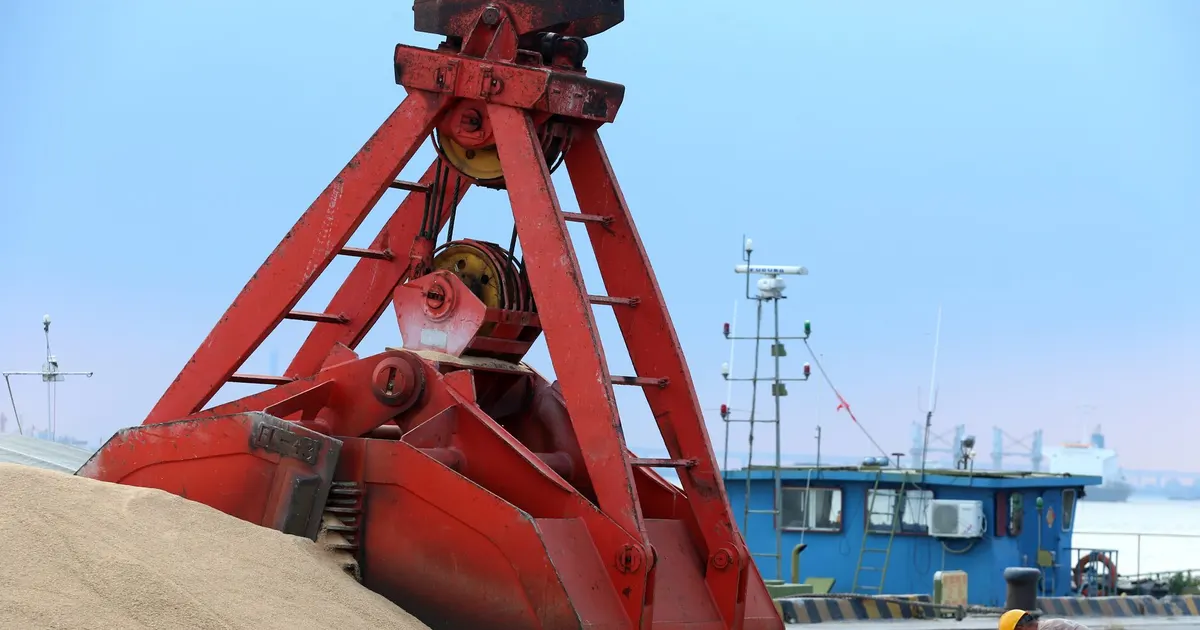
Chinese state-owned firms bought at least 1 million tonnes of U.S. soybeans, a day after high-level bilateral talks progressed toward a trade deal. The cargoes are slated for April to July shipment, mostly from U.S. Gulf Coast terminals.
Purchases by state firms are believed to be for state reserves and so avoid the 25% tariff that still applies to commercial crushers.
Large state-directed buying gives U.S. soybean exports a firm demand floor and eases the surplus that built up after China halted purchases. Tariff-exempt state buying also shows how reserve purchases can bypass the tariff for commercial crushers.
 reuters.comKarl Plume02.02.2019
Nach 696 vergangenen Ereignisse (bullisch, Handel) bewegte sich Sojabohnen im Median über 5 Handelstage um +0,3 % (54% höher; mittlere Hälfte -1,3 % bis +1,9 %) und über 20 Handelstage um +0,7 %.
Nach 342 vergangenen Ereignisse (bullisch, Handel) bewegte sich Sojaschrot im Median über 5 Handelstage um +0,1 % (51% höher; mittlere Hälfte -1,1 % bis +2,6 %) und über 20 Handelstage um +0,6 %.
Veränderungen des Benchmarks jedes Rohstoffs seit dem letzten Schluss vor dem Ereignis. Historische Werte bündeln frühere Ereignisse derselben Art; sie beschreiben, was passiert ist, nicht was passieren wird. Keine Anlageberatung.
