Lädt…
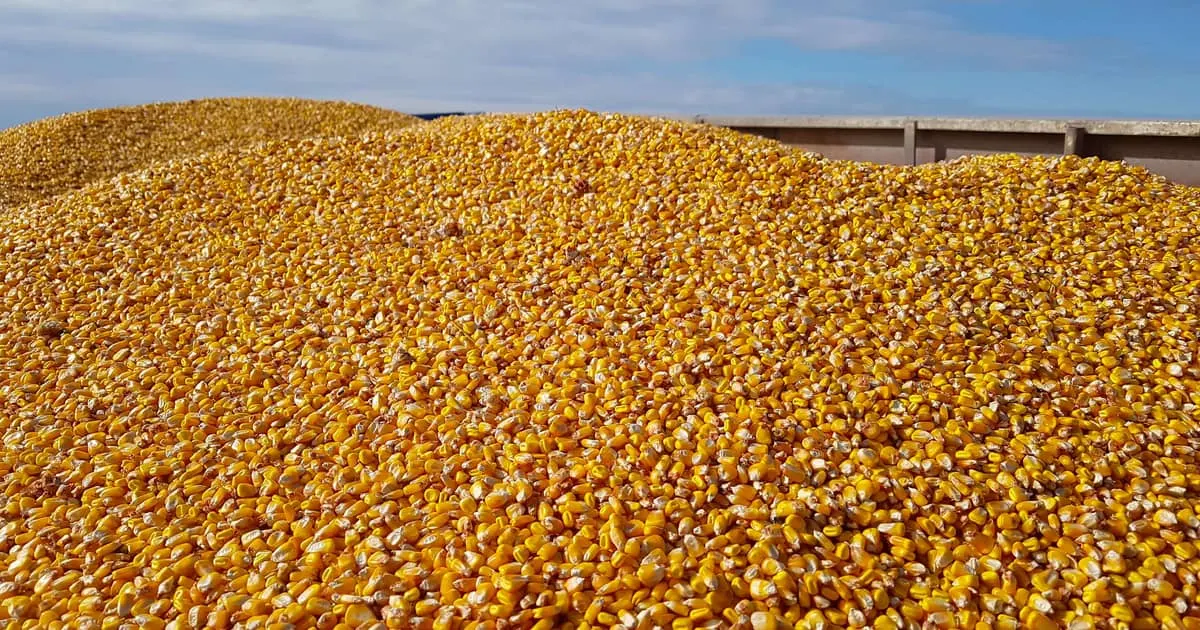
Slow US corn planting and wet weather in the US and Ontario raised feed cost concerns for feedyards, with some analysts suggesting unplanted US acres could exceed 30 million. Lethbridge feed barley was about $5.35 per bushel for spot delivery, and Prairie drought raised the prospect of a Canadian barley shortfall.
Feedyards were advised to watch the market closely.
Prevent-plant risk could cut US corn supply and lift feed grain prices, while Prairie drought adds upside for Canadian barley and raises feedlot costs.
 realagriculture.comShaun Haney02.06.2019
Nach 1.465 vergangenen Ereignisse (bullisch, Wetter) bewegte sich Mais im Median über 5 Handelstage um +0,2 % (54% höher; mittlere Hälfte -1,4 % bis +1,9 %) und über 20 Handelstage um +0,9 %.
Noch nicht genug vergleichbare vergangene Ereignisse für eine historische Einschätzung.
Nach 29 vergangenen Ereignisse (bearisch, Wetter) bewegte sich Mastrinder (Feeder) im Median über 5 Handelstage um +0,5 % (62% höher; mittlere Hälfte -0,5 % bis +2,6 %) und über 20 Handelstage um +2,4 %.
Veränderungen des Benchmarks jedes Rohstoffs seit dem letzten Schluss vor dem Ereignis. Historische Werte bündeln frühere Ereignisse derselben Art; sie beschreiben, was passiert ist, nicht was passieren wird. Keine Anlageberatung.
Slow US corn planting and weather concerns raised feed costs for feedyards, a bearish input-cost factor for feeders.
Slow corn planting and wet weather raised feed cost fears, supporting the input-cost mechanism behind feeder selling.
