Lädt…
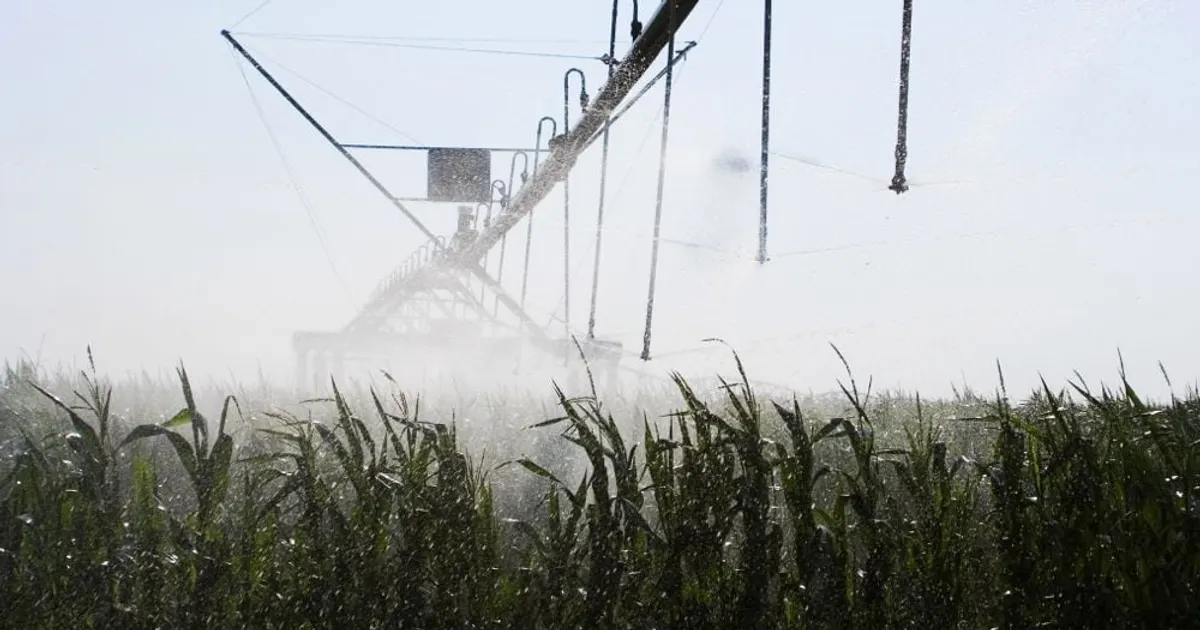
US soybean and corn futures rose on 17 July after USDA reported that good-to-excellent ratings fell to 69% for soybeans and 72% for corn, down from the prior week. Hot, dry weather drove the decline, and traders also hoped for a resolution to the US-China trade dispute.
Lower crop conditions during the key pollination and August soybean development period raise yield risk and support prices, though the ratings are still relatively good by historical standards.
 grainews.caGFM Network News17.07.2018
Nach 1.465 vergangenen Ereignisse (bullisch, Wetter) bewegte sich Mais im Median über 5 Handelstage um +0,2 % (54% höher; mittlere Hälfte -1,4 % bis +1,9 %) und über 20 Handelstage um +0,9 %.
Nach 1.079 vergangenen Ereignisse (bullisch, Wetter) bewegte sich Sojabohnen im Median über 5 Handelstage um +0,3 % (54% höher; mittlere Hälfte -1,4 % bis +2,0 %) und über 20 Handelstage um +0,9 %.
Veränderungen des Benchmarks jedes Rohstoffs seit dem letzten Schluss vor dem Ereignis. Historische Werte bündeln frühere Ereignisse derselben Art; sie beschreiben, was passiert ist, nicht was passieren wird. Keine Anlageberatung.
Corn futures rose on 17 July after USDA cut good-to-excellent ratings to 72% amid hot, dry weather, a direct supply-risk driver within the 5-day window.
Corn futures rose on 17 July as USDA crop ratings fell, a supply-side weather sentiment driver, though the stated move ends 15 July and timing is slightly off.
