Lädt…
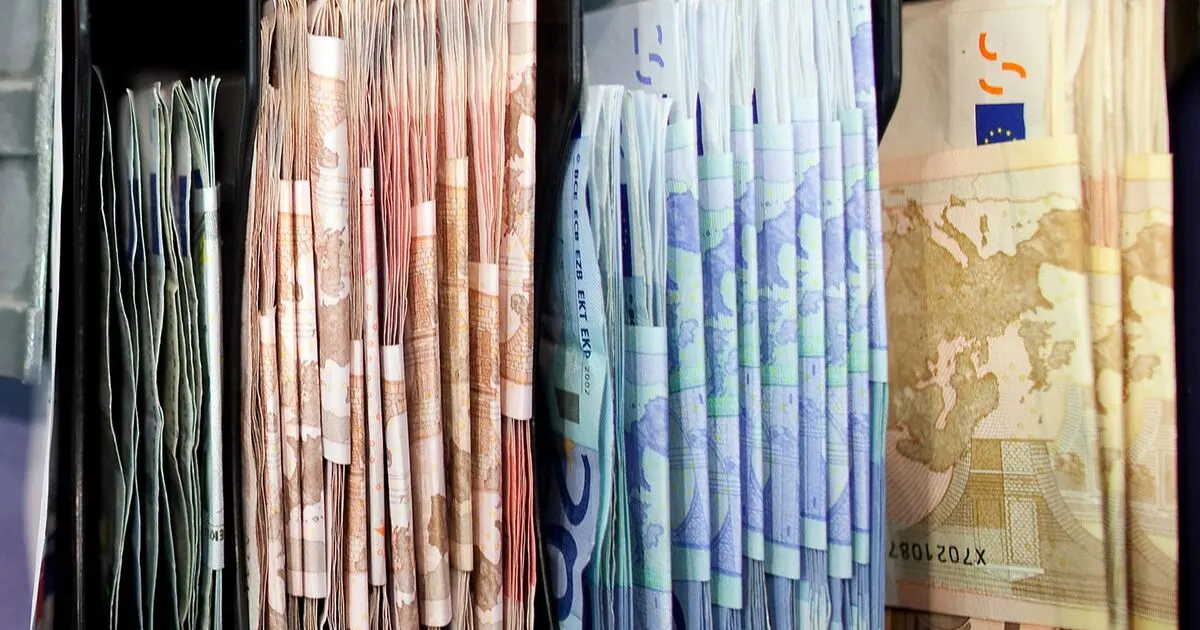
The euro fell 1.8% to about $1.07 after Trump's election win, its worst one-day drop since March 2020. ABN Amro, ING and Manulife expect the euro to slide toward parity with the dollar, and Mizuho and Deutsche Bank forecast $1.03 and $1.05 by year-end.
Wider rate differentials favor the dollar, which lowers dollar-denominated commodity prices and raises the cost of imported feed ingredients for euro-based buyers.
 bloomberg.comAlice Atkins, Vassilis Karamanis, Greg Ritchie06.11.2024
Nach 533 vergangenen Ereignisse (bearisch, Makro) bewegte sich Euro (USD pro EUR) im Median über 5 Handelstage um -0,3 % (33% höher; mittlere Hälfte -1,2 % bis +0,2 %) und über 20 Handelstage um -0,5 %.
Nach 2.356 vergangenen Ereignisse (bullisch, Makro) bewegte sich US-Dollar (breit) im Median über 5 Handelstage um +0,2 % (60% höher; mittlere Hälfte -0,3 % bis +0,7 %) und über 20 Handelstage um +0,4 %.
Veränderungen des Benchmarks jedes Rohstoffs seit dem letzten Schluss vor dem Ereignis. Historische Werte bündeln frühere Ereignisse derselben Art; sie beschreiben, was passiert ist, nicht was passieren wird. Keine Anlageberatung.
Documents the 1.8% euro drop, its worst day since March 2020, with rate divergence and parity forecasts reflecting the same post-election repricing.
The euro suffered its worst one-day drop since 2020 after Trump's win, as rate divergence and tariff risk drove parity calls; this is the main driver of the 5-day decline.
Euro's worst one-day drop since 2020 is the mirror image of dollar strength, since the euro is the largest weight in the broad index.
Euro fell 1.8% in its worst day since 2020 on rate divergence, mechanically boosting the dollar basket.
