Lädt…
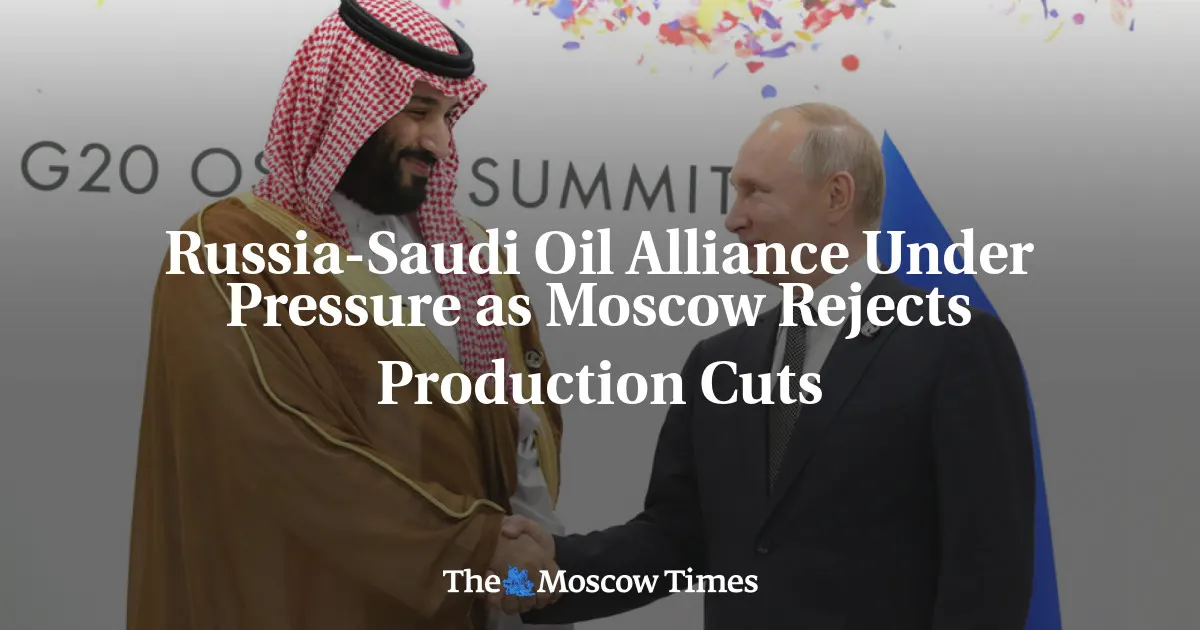
Russia rejected a new round of oil production cuts proposed in response to coronavirus, and OPEC+ talks failed on Friday. Novak said no member was now obliged to lower output from April 1, and the meeting was adjourned.
Removing the obligation to cut output from April raises the risk of a supply glut as demand contracts, which pressures crude prices. The breakdown also threatens the Russia-Saudi alliance that has steadied the market.
 themoscowtimes.comAFP06.03.2020
Nach 250 vergangenen Ereignisse (bearisch, Geopolitik) bewegte sich Rohöl (Brent) im Median über 5 Handelstage um -3,1 % (36% höher; mittlere Hälfte -7,9 % bis +1,6 %) und über 20 Handelstage um -5,5 %.
Nach 255 vergangenen Ereignisse (bearisch, Geopolitik) bewegte sich Rohöl (WTI) im Median über 5 Handelstage um -2,4 % (31% höher; mittlere Hälfte -7,0 % bis +1,7 %) und über 20 Handelstage um -5,0 %.
Veränderungen des Benchmarks jedes Rohstoffs seit dem letzten Schluss vor dem Ereignis. Historische Werte bündeln frühere Ereignisse derselben Art; sie beschreiben, was passiert ist, nicht was passieren wird. Keine Anlageberatung.
Russia rejected deeper OPEC+ cuts on March 6 and the talks failed, removing the supply-restraint framework and triggering the WTI selloff that day.
Russia rejected the cuts and Novak said no member was obliged to lower output from April 1, a direct supply shock that fed the crude selloff.
Russia rejected new production cuts and said no member was obliged to cut from April 1, removing supply discipline and weighing on crude.
