Lädt…
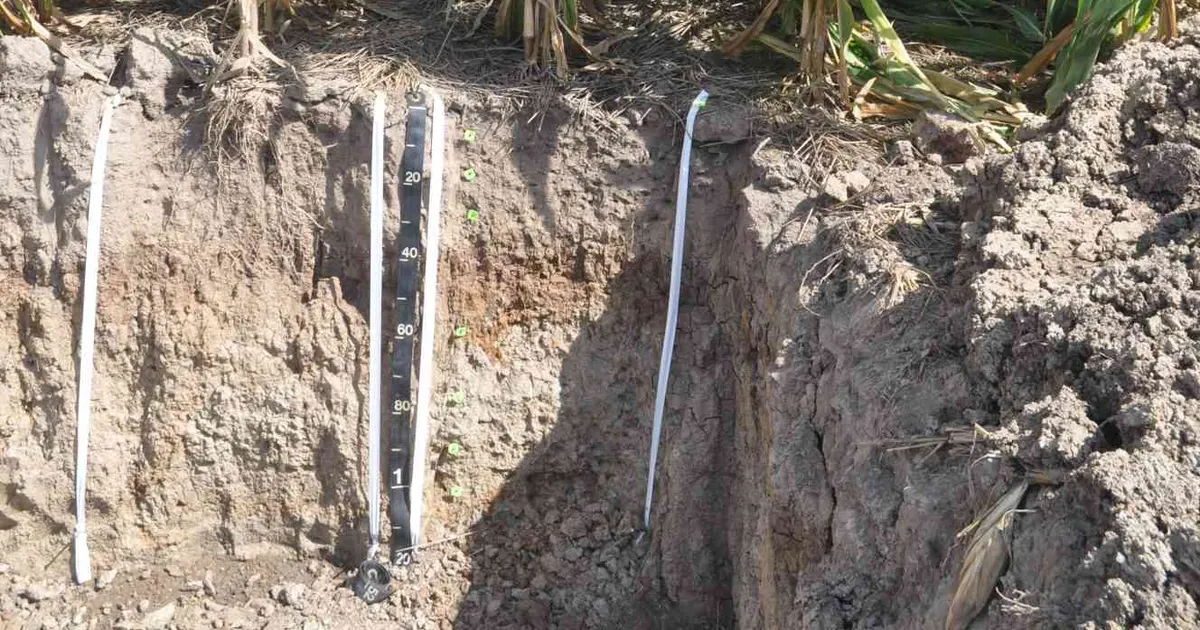
Analyst Ray Grabanski describes 2021 as a tale of two crops: the southeast US has cool, wet weather favorable for corn and soybeans, while the northwest faces hot, dry conditions that are becoming a crop disaster. Forecasts show the dry area in the northern Corn Belt now covers about half the US, and the drought is expected to worsen there.
The split weather pattern means national yield prospects depend on the northern Corn Belt, where dryness can offset good eastern conditions, leaving the price outlook uncertain.
 agriculture.comRay Grabanski30.06.2021
Nach 445 vergangenen Ereignisse (neutral, Wetter) bewegte sich Mais im Median über 5 Handelstage um +0,1 % (52% höher; mittlere Hälfte -1,4 % bis +1,6 %) und über 20 Handelstage um +0,7 %.
Nach 324 vergangenen Ereignisse (neutral, Wetter) bewegte sich Sojabohnen im Median über 5 Handelstage um +0,0 % (52% höher; mittlere Hälfte -1,4 % bis +1,7 %) und über 20 Handelstage um +0,7 %.
Veränderungen des Benchmarks jedes Rohstoffs seit dem letzten Schluss vor dem Ereignis. Historische Werte bündeln frühere Ereignisse derselben Art; sie beschreiben, was passiert ist, nicht was passieren wird. Keine Anlageberatung.
