Lädt…
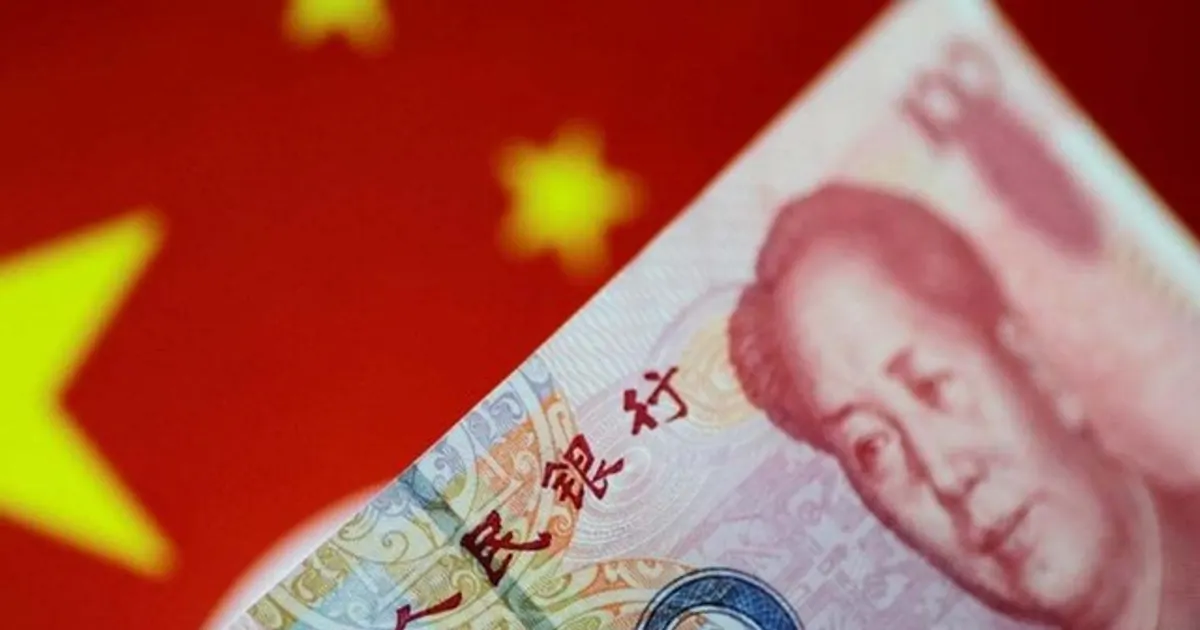
China's yuan slipped against the dollar on August 31 and was set for a third straight monthly decline. August official PMI data showed factory activity expanding more slowly, while the services sector contracted.
Traders are watching the pace of Federal Reserve tapering and upcoming US jobs data.
Weaker Chinese growth signals softer import demand, and a weaker yuan raises the cost of dollar-priced imports for China. Expected policy easing could support Chinese domestic feed demand, but the currency move adds uncertainty to feed import costs.
 brecorder.comReuters31.08.2021
Nach 398 vergangenen Ereignisse (bullisch, Makro) bewegte sich Chinesischer Yuan (CNY pro USD) im Median über 5 Handelstage um +0,0 % (56% höher; mittlere Hälfte -0,3 % bis +0,5 %) und über 20 Handelstage um +0,0 %.
Veränderungen des Benchmarks jedes Rohstoffs seit dem letzten Schluss vor dem Ereignis. Historische Werte bündeln frühere Ereignisse derselben Art; sie beschreiben, was passiert ist, nicht was passieren wird. Keine Anlageberatung.
