Lädt…
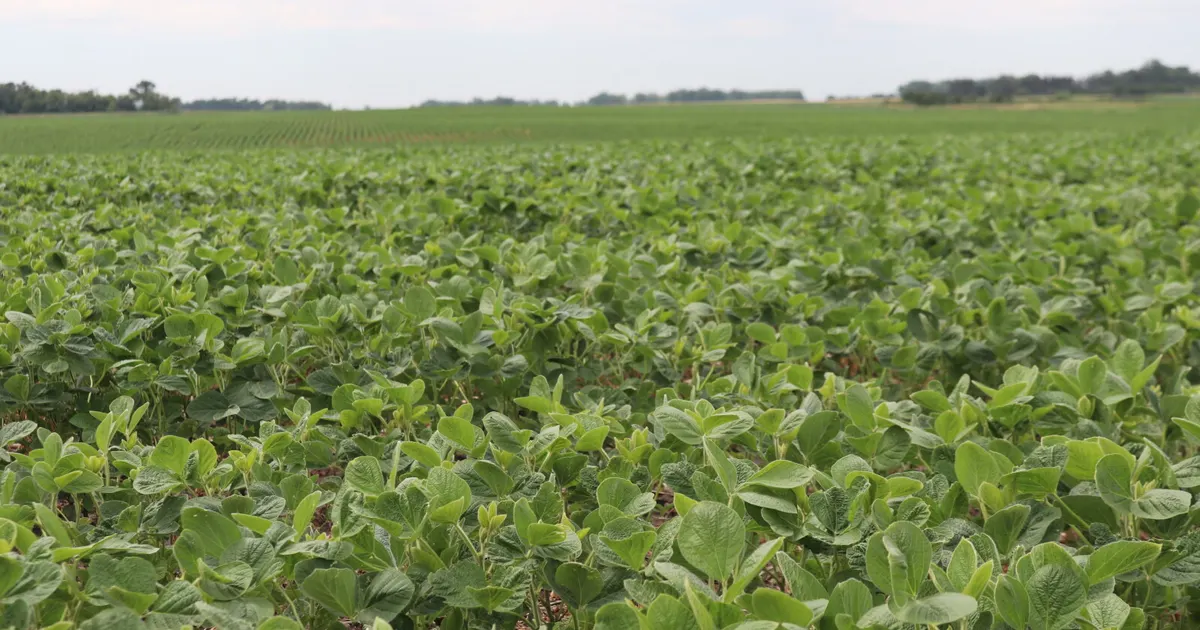
USDA's July WASDE cut its outlook for U.S. soybean exports by 65 million bushels and domestic crush by 10 million bushels. The agency projected 2022/23 ending soybean stocks at 230 million bushels, above analyst expectations of 211 million.
Soybean futures fell to session lows as the most-active contract dropped about 4.3%.
Lower export and crush demand, driven by large South American harvests, points to heavier U.S. supplies and softer soybean and soymeal prices. Reduced crush also means less soymeal and oil output for feed buyers.
 agweek.comMark Weinraub, Reuters12.07.2022
Nach 788 vergangenen Ereignisse (bearisch, Bericht) bewegte sich Sojabohnen im Median über 5 Handelstage um -0,3 % (47% höher; mittlere Hälfte -2,0 % bis +1,5 %) und über 20 Handelstage um -0,9 %.
Nach 399 vergangenen Ereignisse (bearisch, Bericht) bewegte sich Sojaschrot im Median über 5 Handelstage um -0,4 % (44% höher; mittlere Hälfte -2,4 % bis +1,2 %) und über 20 Handelstage um -1,0 %.
Veränderungen des Benchmarks jedes Rohstoffs seit dem letzten Schluss vor dem Ereignis. Historische Werte bündeln frühere Ereignisse derselben Art; sie beschreiben, was passiert ist, nicht was passieren wird. Keine Anlageberatung.
USDA cut soybean export and crush outlooks and ending stocks came in above expectations at 230 million bushels, so futures fell about 4.3%, with the reduced crush also affecting meal supply.
