Lädt…
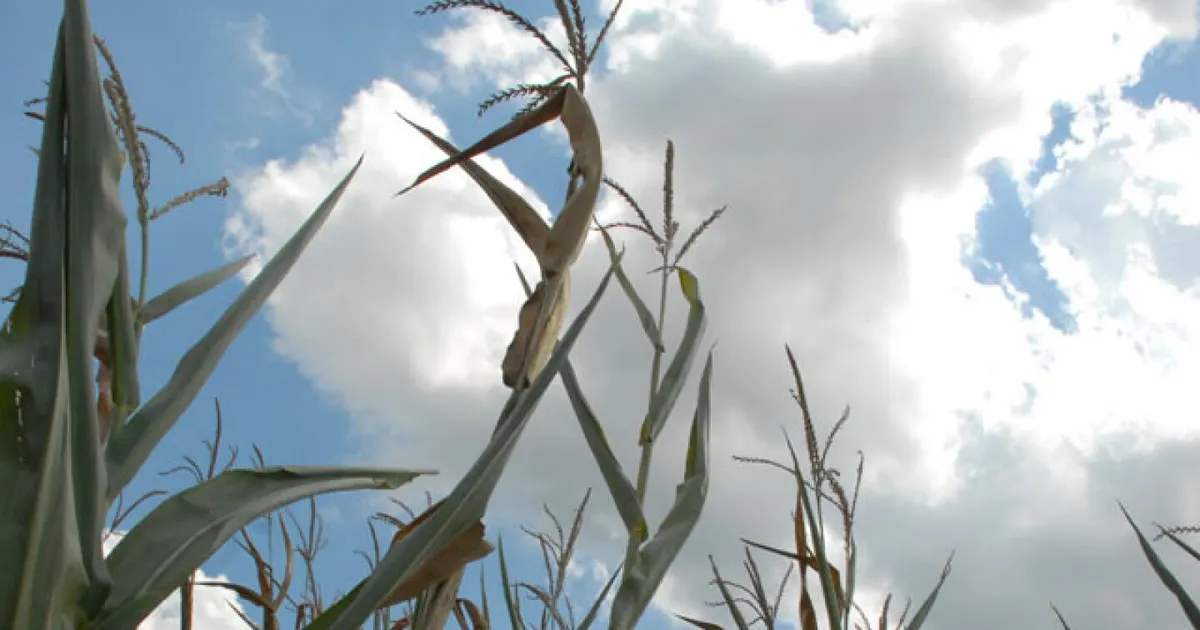
The Climate Prediction Center has declared the end of El Niño, with ENSO-neutral conditions now in place. It puts the odds of La Niña forming in July-September at 65% and persisting through the Northern Hemisphere winter at 85%.
La Niña typically brings hotter, drier conditions to the central and eastern US and can block moisture to the western Corn Belt.
A developing La Niña raises the risk of heat and dryness in the US Corn Belt during the growing season, which supports corn and soybean prices. The effect is strongest if it coincides with pollination.
 agweb.comPro Farmer Editors14.06.2024
Nach 1.465 vergangenen Ereignisse (bullisch, Wetter) bewegte sich Mais im Median über 5 Handelstage um +0,2 % (54% höher; mittlere Hälfte -1,4 % bis +1,9 %) und über 20 Handelstage um +0,9 %.
Nach 1.079 vergangenen Ereignisse (bullisch, Wetter) bewegte sich Sojabohnen im Median über 5 Handelstage um +0,3 % (54% höher; mittlere Hälfte -1,4 % bis +2,0 %) und über 20 Handelstage um +0,9 %.
Veränderungen des Benchmarks jedes Rohstoffs seit dem letzten Schluss vor dem Ereignis. Historische Werte bündeln frühere Ereignisse derselben Art; sie beschreiben, was passiert ist, nicht was passieren wird. Keine Anlageberatung.
