Lädt…
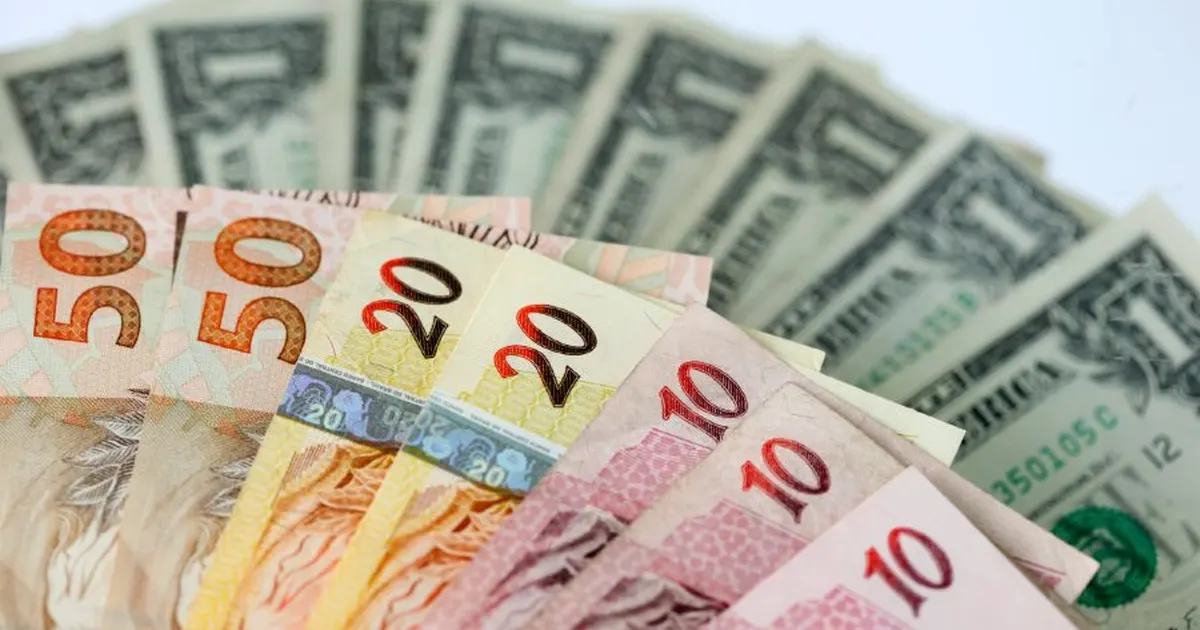
The Brazilian real weakened against the dollar again after a rally that took it from R$6.18 at end-2024 to an average of R$5.70 last week; the dollar stood at R$5.80 on February 25. Analysts attribute moves to domestic fiscal news, US policy and interest rate spreads, with reports that the Lula government may expand fiscal and credit policies.
A weaker real makes Brazilian soy, meal and corn exports more competitive, which tends to pressure global feed grain and meal prices. Fiscal stimulus concerns add to currency volatility that feeds into Brazilian export pricing.
 valorinternational.globo.comAlex Ribeiro25.02.2025
Nach 301 vergangenen Ereignisse (bullisch, Makro) bewegte sich Brasilianischer Real (BRL pro USD) im Median über 5 Handelstage um +0,4 % (57% höher; mittlere Hälfte -1,2 % bis +1,7 %) und über 20 Handelstage um +1,0 %.
Nach 117 vergangenen Ereignisse (bearisch, Makro) bewegte sich Sojaschrot im Median über 5 Handelstage um -0,6 % (41% höher; mittlere Hälfte -2,5 % bis +1,7 %) und über 20 Handelstage um +0,5 %.
Veränderungen des Benchmarks jedes Rohstoffs seit dem letzten Schluss vor dem Ereignis. Historische Werte bündeln frühere Ereignisse derselben Art; sie beschreiben, was passiert ist, nicht was passieren wird. Keine Anlageberatung.
