Lädt…
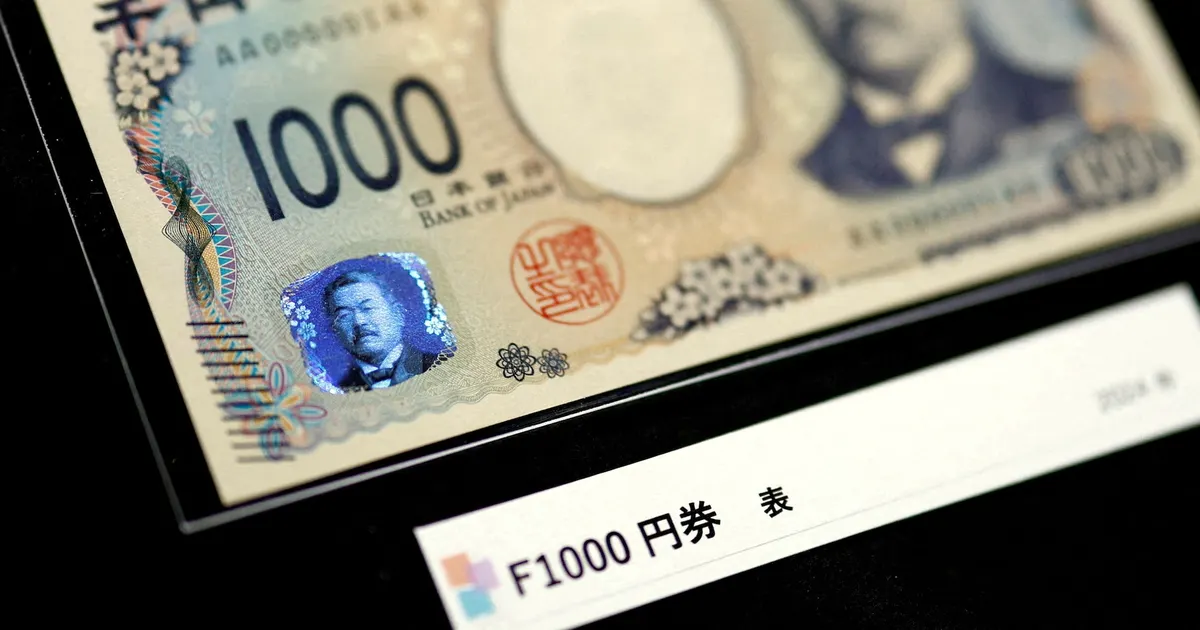
The Japanese yen has fallen 2.4% against the US dollar and 1.4% against the Swiss franc since Israel launched missile attacks on Iranian nuclear and military targets on June 13. Crude oil has spiked since the conflict began, and Japan imports nearly all its oil.
The rise in crude threatens Japan's trade balance and weakens the yen's usual safe-haven appeal.
Higher crude raises Japan's import bill and weakens the yen, which lifts USD/JPY and adds cost pressure for Japanese feed and energy buyers. The effect on Japanese exporters' earnings may be short-lived because energy costs rise.
 reuters.comKevin Buckland23.06.2025
Noch nicht genug vergleichbare vergangene Ereignisse für eine historische Einschätzung.
Nach 323 vergangenen Ereignisse (bullisch, Makro) bewegte sich Rohöl (Brent) im Median über 5 Handelstage um +0,7 % (58% höher; mittlere Hälfte -2,9 % bis +3,7 %) und über 20 Handelstage um +1,3 %.
Veränderungen des Benchmarks jedes Rohstoffs seit dem letzten Schluss vor dem Ereignis. Historische Werte bündeln frühere Ereignisse derselben Art; sie beschreiben, was passiert ist, nicht was passieren wird. Keine Anlageberatung.
