Lädt…
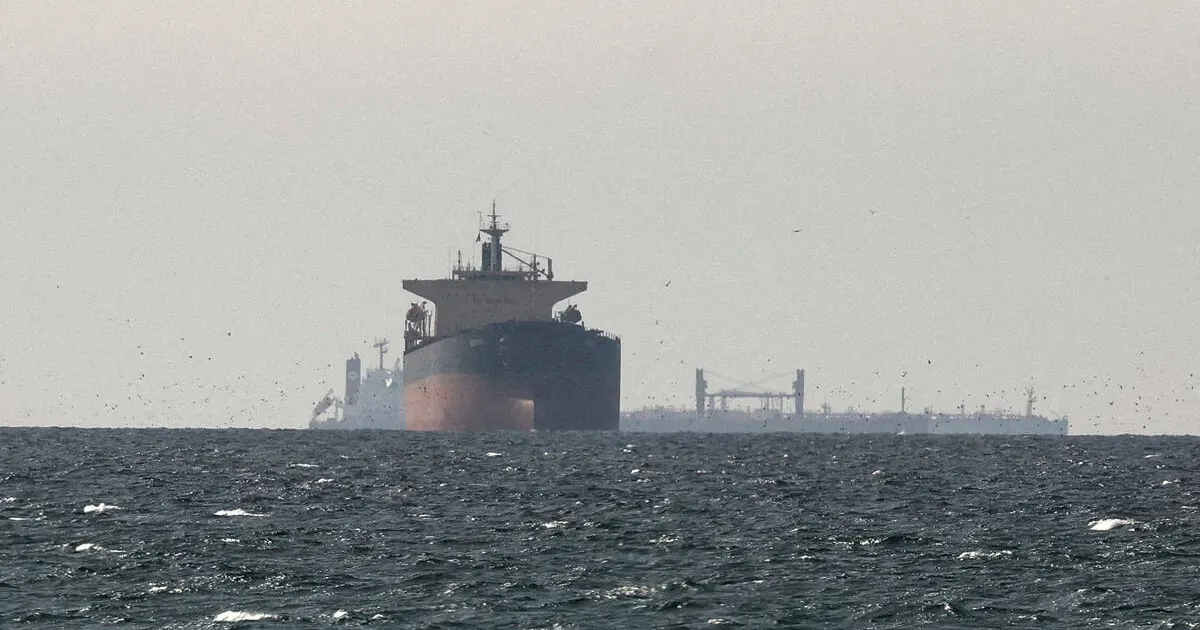
Fertilizer shipments through the Strait of Hormuz have started to pick up following an interim deal to end the Iran war announced June 15. About 640,000 tonnes of sulphur and 427,000 tonnes of urea have transited since then, far above wartime volumes.
Analysts say flows will take time to return to pre-conflict levels.
Resumed Gulf urea and sulphur flows ease the supply squeeze that lifted fertilizer prices, which should pressure urea and DAP prices lower as cargoes arrive. Full normalization is not expected until later in the summer, so relief will be gradual.
 producer.comReuters26.06.2026
Nach 17 vergangenen Ereignisse (bearisch, Geopolitik) bewegte sich Harnstoff im Median über 5 Handelstage um -1,9 % (41% höher; mittlere Hälfte -3,1 % bis +2,8 %) und über 20 Handelstage um +0,2 %.
Nach 126 vergangenen Geopolitik-Ereignisse bewegte sich DAP im Median über 5 Handelstage um 0,0 % (48% höher; mittlere Hälfte -0,7 % bis +1,2 %) und über 20 Handelstage um +0,2 %.
Veränderungen des Benchmarks jedes Rohstoffs seit dem letzten Schluss vor dem Ereignis. Historische Werte bündeln frühere Ereignisse derselben Art; sie beschreiben, was passiert ist, nicht was passieren wird. Keine Anlageberatung.
Fertilizer and sulphur shipments resuming through Hormuz after the June 15 interim deal ease input-cost and supply fears, a plausible driver of a sharp DAP price drop, though the event is dated a day after the move.
