Lädt…
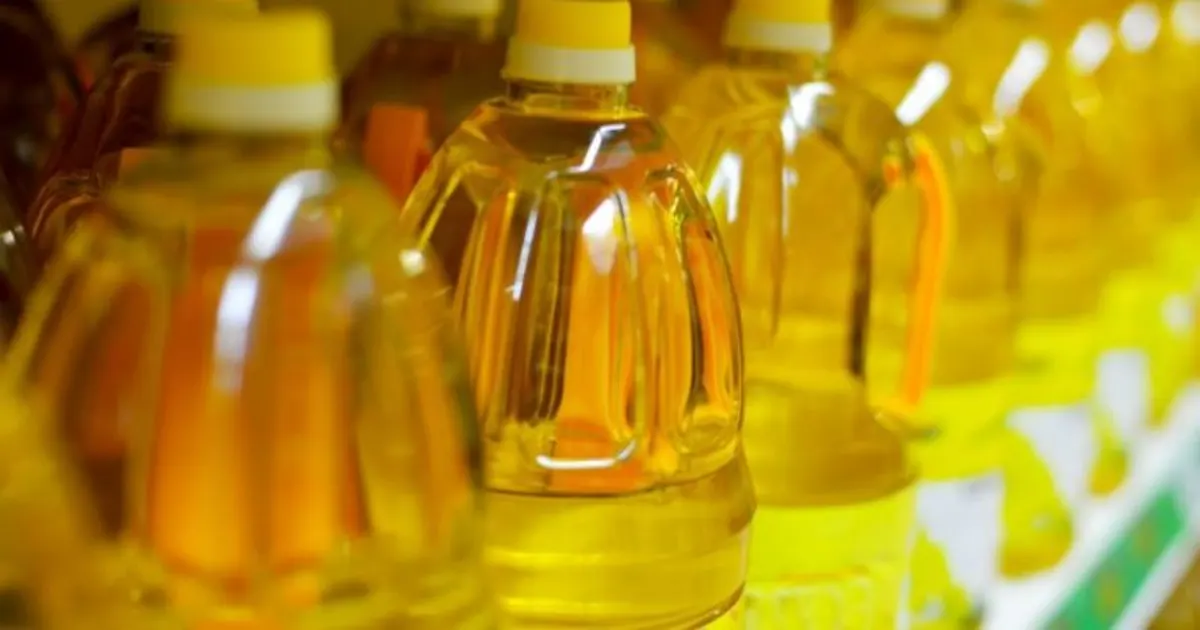
Indonesia's government officially imposed a palm oil export ban starting April 28, 2022, covering crude palm oil, red palm oil, POME, RBD palm oil and used cooking oil. Officials said the ban continues until bulk cooking oil reaches Rp14,000 per liter nationwide and set strict penalties for violations.
A broad export ban removes a large share of world palm oil supply, pushing palm and soyoil prices sharply higher and boosting demand for substitute vegetable oils.
 setkab.go.idOffice of Assistant to Deputy Cabinet Secretary for State Documents & Translation27.04.2022
Nach 548 vergangenen Ereignisse (bullisch, Politik) bewegte sich Palmöl im Median über 5 Handelstage um +0,4 % (61% höher; mittlere Hälfte -0,7 % bis +2,1 %) und über 20 Handelstage um +0,9 %.
Nach 842 vergangenen Ereignisse (bullisch, Politik) bewegte sich Sojaöl im Median über 5 Handelstage um +0,2 % (52% höher; mittlere Hälfte -1,6 % bis +2,1 %) und über 20 Handelstage um -0,5 %.
Nach 206 vergangenen Ereignisse (neutral, Politik) bewegte sich Sojaschrot im Median über 5 Handelstage um -0,4 % (44% höher; mittlere Hälfte -2,3 % bis +1,8 %) und über 20 Handelstage um -0,7 %.
Veränderungen des Benchmarks jedes Rohstoffs seit dem letzten Schluss vor dem Ereignis. Historische Werte bündeln frühere Ereignisse derselben Art; sie beschreiben, was passiert ist, nicht was passieren wird. Keine Anlageberatung.
The Indonesian ban's implementation on April 28 drove a spike in prices; the subsequent drop of more than 10% reflects reversal and profit-taking as the ban's duration and storage constraints became clearer.
