Lädt…
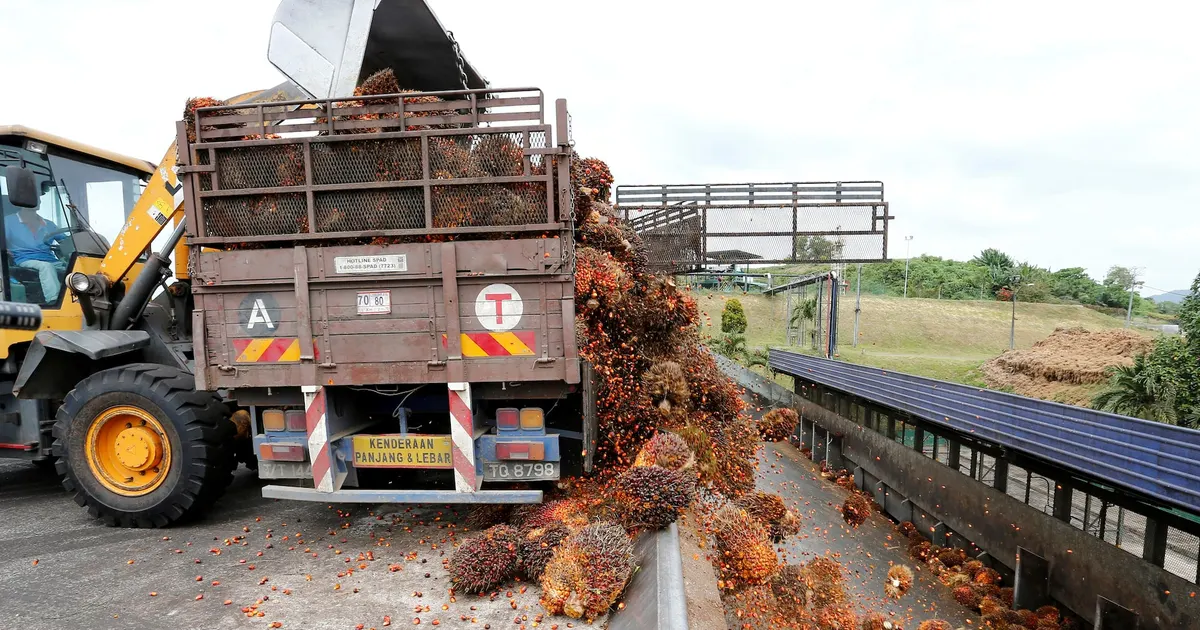
Malaysia's commodities ministry has proposed cutting its palm oil export tax by as much as half, from 8% to 4%-6%, to help address a global edible oil shortage. The temporary measure would also slow implementation of the B30 biodiesel mandate to prioritise supply for food use.
A lower export tax would encourage Malaysian exports and add supply to a tight global vegetable oil market, while slowing the biodiesel mandate reduces domestic palm oil demand for fuel, both bearish for palm oil prices and supportive for soy oil substitution demand.
 reuters.comMei Mei Chu, A. Ananthalakshmi10.05.2022
Nach 400 vergangenen Ereignisse (bearisch, Politik) bewegte sich Palmöl im Median über 5 Handelstage um -0,0 % (49% höher; mittlere Hälfte -1,3 % bis +1,1 %) und über 20 Handelstage um +0,2 %.
Nach 196 vergangenen Ereignisse (neutral, Politik) bewegte sich Sojaöl im Median über 5 Handelstage um +0,1 % (52% höher; mittlere Hälfte -1,6 % bis +2,0 %) und über 20 Handelstage um -0,5 %.
Veränderungen des Benchmarks jedes Rohstoffs seit dem letzten Schluss vor dem Ereignis. Historische Werte bündeln frühere Ereignisse derselben Art; sie beschreiben, was passiert ist, nicht was passieren wird. Keine Anlageberatung.
Proposed Malaysian palm oil export tax cut and slower B30 mandate would raise exportable supply and cut biofuel demand, bearish for palm prices around May 9-10.
