Lädt…
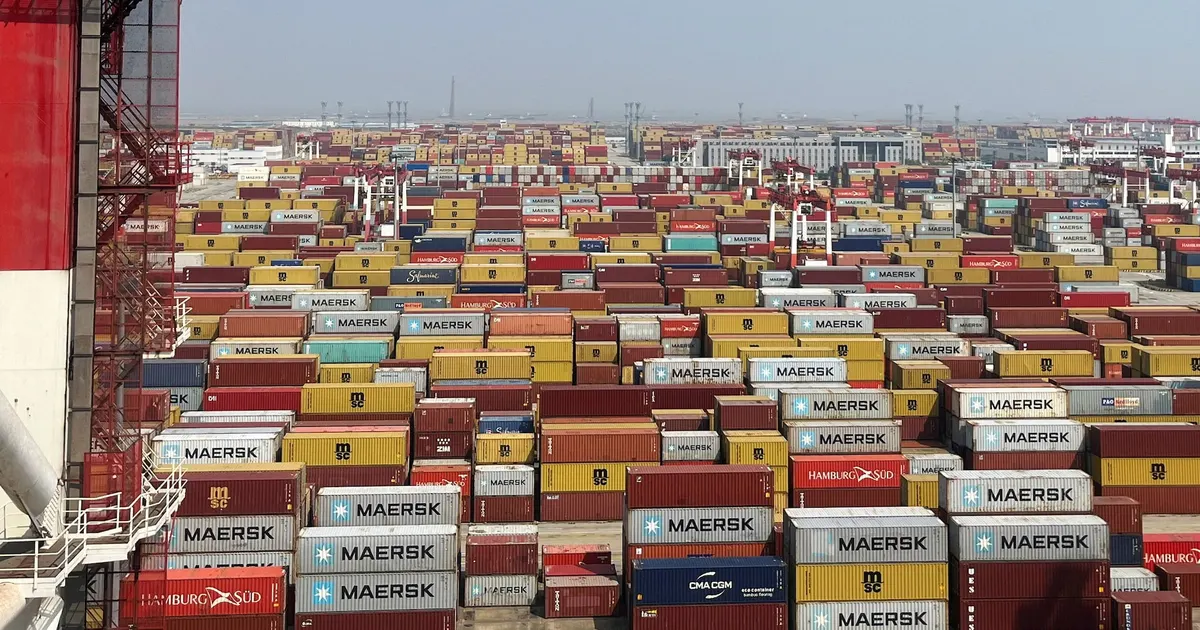
China retaliated against US tariffs with duties on US farm products, after China had already shifted soybean purchases toward Brazil. About half of US soybean exports went to China in 2024, worth $12.8 billion.
US corn exports to China fell sharply in 2024 as Chinese domestic production rose and Brazil overtook the US as the top supplier.
China's declining reliance on US soybeans and corn reduces the value of US export demand and leaves US prices more exposed to tariff-driven shifts. Brazilian supply continues to gain share in China's feed grain and oilseed imports.
 reuters.comMei Mei Chu01.04.2025
Nach 803 vergangenen Ereignisse (bearisch, Handel) bewegte sich Sojabohnen im Median über 5 Handelstage um +0,0 % (51% höher; mittlere Hälfte -1,7 % bis +1,7 %) und über 20 Handelstage um +0,9 %.
Nach 683 vergangenen Ereignisse (bearisch, Handel) bewegte sich Mais im Median über 5 Handelstage um -0,2 % (47% höher; mittlere Hälfte -1,7 % bis +1,6 %) und über 20 Handelstage um +0,3 %.
Veränderungen des Benchmarks jedes Rohstoffs seit dem letzten Schluss vor dem Ereignis. Historische Werte bündeln frühere Ereignisse derselben Art; sie beschreiben, was passiert ist, nicht was passieren wird. Keine Anlageberatung.
Background on China's retaliation against US farm goods and the heavy reliance of US soybean exports on China (about half), which makes the demand-loss risk large.
